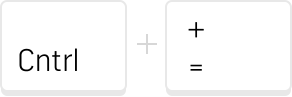
 Lai palielinātu vai samazinātu teksta burtu izmēru, izmantojiet šādas klaviatūras taustiņu kombinācijas:
Windows
Apple
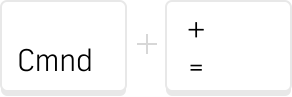
Lai palielinātu vai samazinātu teksta burtu izmēru, izmantojiet šādas klaviatūras taustiņu kombinācijas:

Rīgas radio un televīzijas stacijas (turpmāk – RRTS) būvju komplekss un tajā esošā infrastruktūra ir ļoti nozīmīga LVRTC pamatdarbības funkciju un pakalpojumu nodrošināšanai.
RRTS projektēšana tika uzsākta 1972. gadā, bet celtniecība ilga no 1979. līdz 1989. gadam. Pirmā pārraide no RRTS notika 1985. gada decembrī, bet regulāru TV un radio apraidi tornis nodrošina kopš 1986. gada.
Ņemot vērā ievērojamo būvniecības izmaksu pieaugumu, VAS Latvijas Valsts radio un televīzijas centrs ir veicis Zaķusalas TV torņa būvprojekta risinājumu paredzēto izmaksu aktualizēšanu, secinot, ka izmaksu pieaugums būtiski pārsniedz prognozes un projekta ieceres ir jāpārskata, informē LVRTC.
2020. gadā, izsludinot būvdarbu iepirkumu, LVRTC prognozēja, ka kopējā līgumsumma varētu sasniegt gandrīz 60 miljonus eiro. Laikā posmā no 2020. līdz 2021. gadam būvniecības izmaksas Latvijā pieauga vairāk nekā 20%, bet specifisku objektu gadījumā, kāds ir Zaķusalas TV tornis, sadārdzinājums varētu būt vēl ievērojamāks.
Ņemot vērā pieauguma apjomu, kā arī to, ka LVRTC finanšu līdzekļi šobrīd ir vienīgais torņa atjaunošanas finansējuma avots, LVRTC ir pārskatījis savu investīciju plānu un aktualizējis tehniski ekonomisko pamatojumu, secinot, ka īstenot projektu pilnā apjomā šajā brīdī nav ekonomiski pamatoti un šāda apjoma kapitālieguldījumi var radīt finanšu riskus LVRTC ilgtspējīgas darbības nodrošināšanai. Tāpēc LVRTC ir pieņēmis lēmumu primāri koncentrēties uz Zaķusalas TV torņa infrastruktūras atjaunošanu, kas nepieciešama pamatdarbības nodrošināšanai, kā arī drošai torņa ekspluatācijai.
“Esam pieņēmuši lēmumu torņa atjaunošanu īstenot pakāpeniski. Primāri paredzēts atjaunot pamatdarbībai svarīgos elementus un secīgi atjaunot objekta publisko daļu, ko tik ļoti gaida galvaspilsētas iedzīvotāji un viesi. Pēdējo divu gadu laikā notikušais straujais un neprognozējamais būvniecības izmaksu pieaugums ir licis LVRTC pārvērtēt riskus un neuzņemties ievērojamas finanšu saistības, kas varētu novest pie tā, ka būvdarbu īstenošanas laikā LVRTC būtu jārod papildus investīcijas projekta veiksmīgai īstenošanai un torņa darbības nepārtrauktības nodrošināšanai. Pandēmijas apstākļi un ģeopolitiskās krīzes radītais cenu kāpums un resursu ierobežojums un to cenu kāpums liek pārskatīt tūrisma, publisko telpu un mūsdienīgas darba vides konceptu. Būvniecības plānu pārskatīšana neietekmē LVRTC apņemšanos atjaunot LVRTC infrastruktūru, kas nepieciešama pamatdarbības nodrošināšanai, kā arī drošai torņa ekspluatācijai. Ņemot vērā vairāk nekā trīsdesmit piecus gadus vecā Zaķusalas TV torņa infrastruktūras tehniski novecojušo stāvokli, kā arī tā ietekmi uz LVRTC pamatdarbības nodrošināšanu, torņa pārbūve un atjaunošana ir neatliekama,” uzsver LVRTC valdes priekšsēdētājs Ģirts Ozols.
LVRTC iepirkumu komisija pagājušajā nedēļā ir pieņēmusi lēmumu par izsludinātā būvdarbu iepirkuma pārtraukšanu, par to ir informēti visi pretendenti un Iepirkumu uzraudzības birojs. Dalībai iepirkumā bija pieteikušies četri starptautiski un pašmāju būvnieki.
Turpinot torņa atjaunošanas projektu, primāri paredzēts veikt pamatinfrastruktūras atjaunošanu – elektroapgādes, vājstrāvas un ugunsdzēsības sistēmu, liftu un pacēlāju nomaiņu. Tāpat LVRTC šobrīd vēl vērtē iespēju torņa pakājē esošajā ēkā veidot vienoto LVRTC biroju. 2022. gada sākumā LVRTC projekta komanda ir uzsākusi darbu pie būvprojekta izmaiņu izstrādes.
LVRTC ir 100% valstij piederoša neprivatizējama kapitālsabiedrība, kas nodrošina TV un radio apraidi, datu centru, datu pārraides, “eParaksta”, kiberaizsardzības un citus pakalpojumus valsts un pašvaldību sektoram, kā arī ārvalstu un pašmāju elektronisko sakaru pakalpojumu sniedzējiem un komersantiem.

2020. gadā
izstrādāts un saskaņots būvprojekts.2020. gadā
būvdarbu iepirkumu izsludināšana.2021. gadā
RRTS sākotnējās ieceres aktualizēšana.2022. gadā
lēmums par RRTS koncepta maiņu, būvdarbu iepirkuma izbeigšana.2022. gadā
uzsākts darbs pie būvprojektu izmaiņu izstrādes.2018. gada
decembrī tika uzsākta būvprojekta saskaņošana atbildīgajās institūcijās. Jau 2019. gada jūlijā būvprojekts tika saskaņots visās institūcijās.2019. gada
februārī eksperti uzsāka būvprojekta būvekspertīzes veikšanu un pēc deviņiem mēnešiem tika saņemts pozitīvs ekspertīzes atzinums.2019. gada
novembrī būvprojekts tika iesniegts akceptēšanai Rīgas pilsētas būvvaldē un ieraksta saņemšanai būvatļaujā par būvprojektēšanas nosacījumu izpildi. Būvprojekta akceptu plānots saņemt 2020. gada pirmajā ceturksnī.2017. gada
nogalē, būvprojekta izstrādes ietvaros, tika pabeigta RRTS tehniskā apsekošana un sastādīts slēdziens par tās tehnisko stāvokli.